
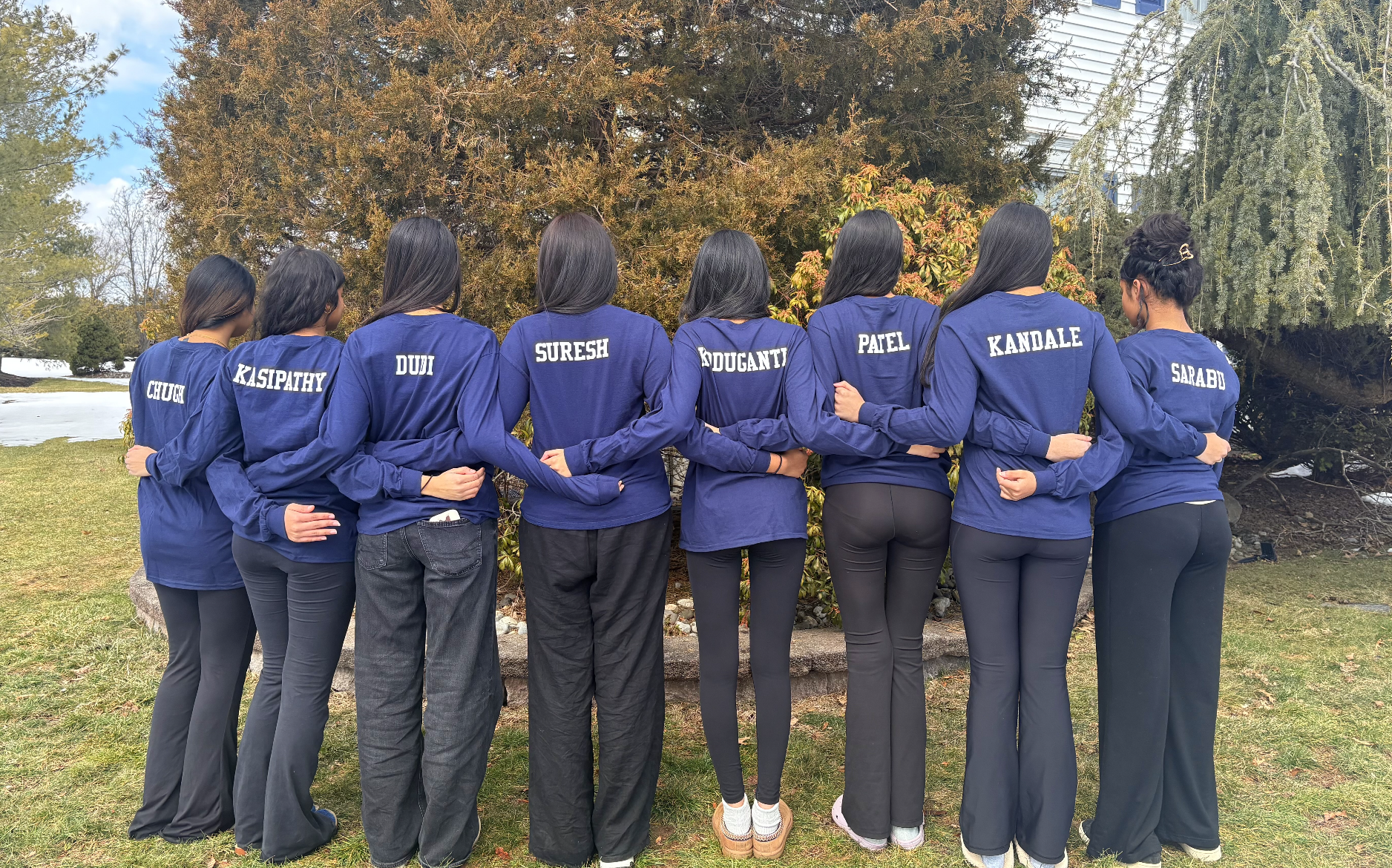
Beyond the Burnout interviews professionals to provide real-world insight into stress, burnout, and how to manage it effectively. Hearing directly from experienced individuals helps students understand that burnout is not just a personal struggle, but a common challenge across many careers. These conversations also offer practical advice, coping strategies, and reassurance that success does not require constant exhaustion. By sharing these stories, Beyond the Burnout aims to educate, inspire, and normalize seeking balance and support.
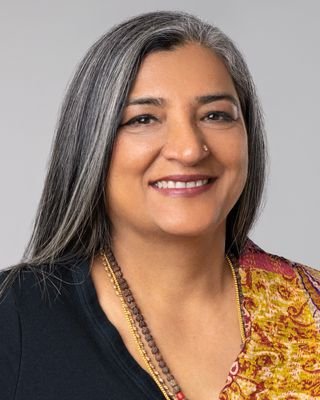
Ms. Shashi Khanna
Local Social Worker
Our team met with Dr. Shashi Khanna, a licensed therapist and social worker, to discuss many topics, including the risk factors of burnout. We discussed how external pressures on a student can lead to a greater risk of being exposed to burnout.
Neurologist interview
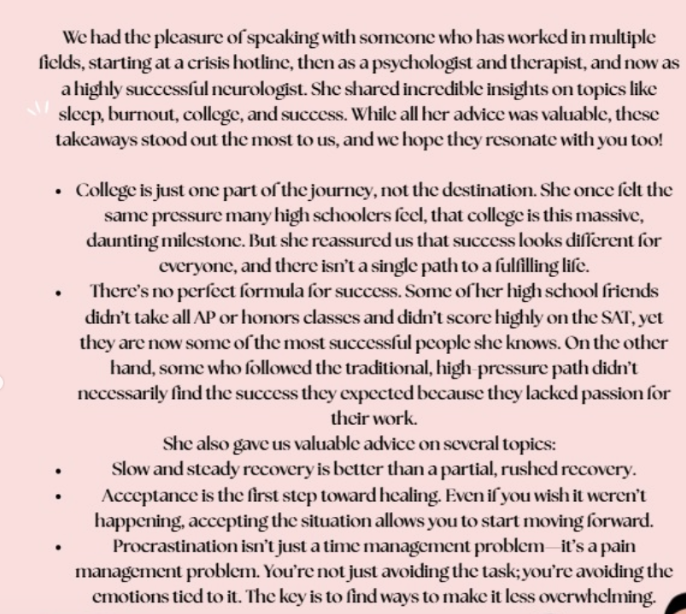
Our team was able to meet with a neurologist who taught us about the clinical and social aspects of burnout! She has worked in multiple fields starting at a crisis hotline, then as a psychologist, a therapist, and now a successful neurologist! We gained incredible insight on topics like sleep, burnout, college, and success.
Dance and movement therapist interview
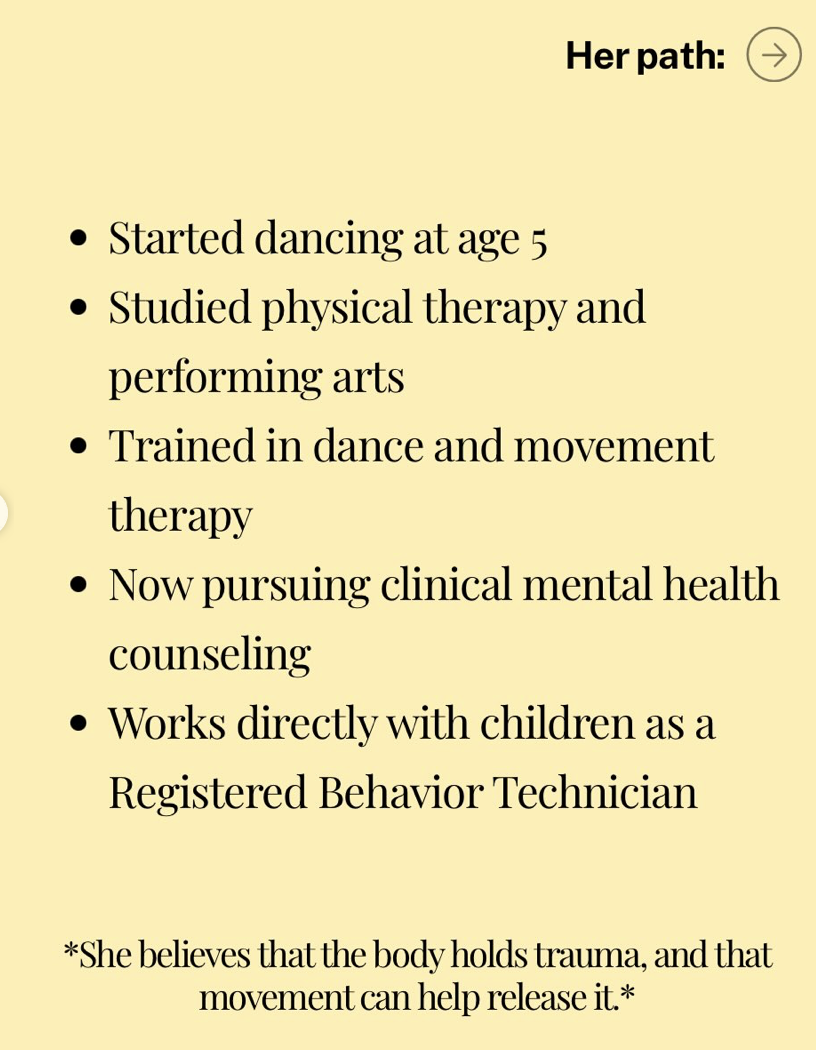
This interview highlights the demanding yet meaningful journey of a professional working in special education and therapy. With a background in physical therapy, performing arts, and dance and movement therapy, she emphasizes how the body stores trauma and how movement can help release it. Her work as a registered behavior technician involves long hours, often starting early in the morning and ending late at night, where she provides one-on-one support to children with autism using applied behavior analysis (ABA) to reduce aggressive behaviors. Although she did not initially plan to work with children, her experience and success in helping them have made the work rewarding. However, the job can be mentally and physically exhausting, especially when balancing work, school, and personal responsibilities, and when emotional connections with the children carry over into her personal life. She stresses the importance of maintaining boundaries, recognizing burnout, and using healthy coping strategies, while staying motivated by the positive impact she has on the children she works with.